Man Cave Natural Lighting: A Fiber Optic Daylighting Solution for Basement Humidity Control
Field-deployed case study · Fiber-optic daylighting application
The Challenge: A Dark Basement Man Cave Without Natural Light
For many homeowners, the basement represents untapped potential—a space that could become a personal retreat, a game room, a home gym, or a hobby workshop. However, basement spaces present a fundamental challenge: they lack access to natural daylight. Without windows or exterior walls suitable for light wells, these underground areas remain dark and uninviting, even during the brightest days.
Beyond lighting concerns, basement spaces face another critical issue: humidity control. Below-grade concrete walls are prone to moisture infiltration, leading to mold growth, musty odors, and deterioration of stored items. When the facility management team of a mid-sized residential complex noticed their 45-square-meter basement utility room was severely underutilized, they saw an opportunity to convert it into a functional man cave—but only if the lighting and humidity challenges could be addressed simultaneously.
Understanding the Constraints
The basement space in question presented several unique challenges that ruled out conventional solutions:
- No exterior walls available: The basement was fully surrounded by adjacent units and structural concrete, making traditional skylights or light wells impossible
- Floor-to-ceilingheight constraint: With only 2.8 meters of ceiling height, vertical light pipe systems would consume valuable headroom
- Continuous moisture presence: Relative humidity in the space regularly exceeded 70% during summer months, creating conditions conducive to mold growth
- 24-hour usage requirement: The space needed to be usable at any time, including cloudy days and nighttime
Traditional approaches like light tubes require vertical pathways that simply did not exist in this configuration. Furthermore, light tubes transfer infrared radiation, which can actually worsen humidity problems by warming moist air. The team needed a solution that could bring genuine natural light underground without these compromises.
The Solution: Fiber Optic Daylighting System
After evaluating multiple options, the engineering team selected a fiber optic daylighting system as the optimal solution. Unlike conventional light tubes that rely on reflective pipes limited to 3-6 meters of transmission distance, fiber optic systems can transmit natural light over 30-100 meters while preserving full spectral quality.
System Design and Installation
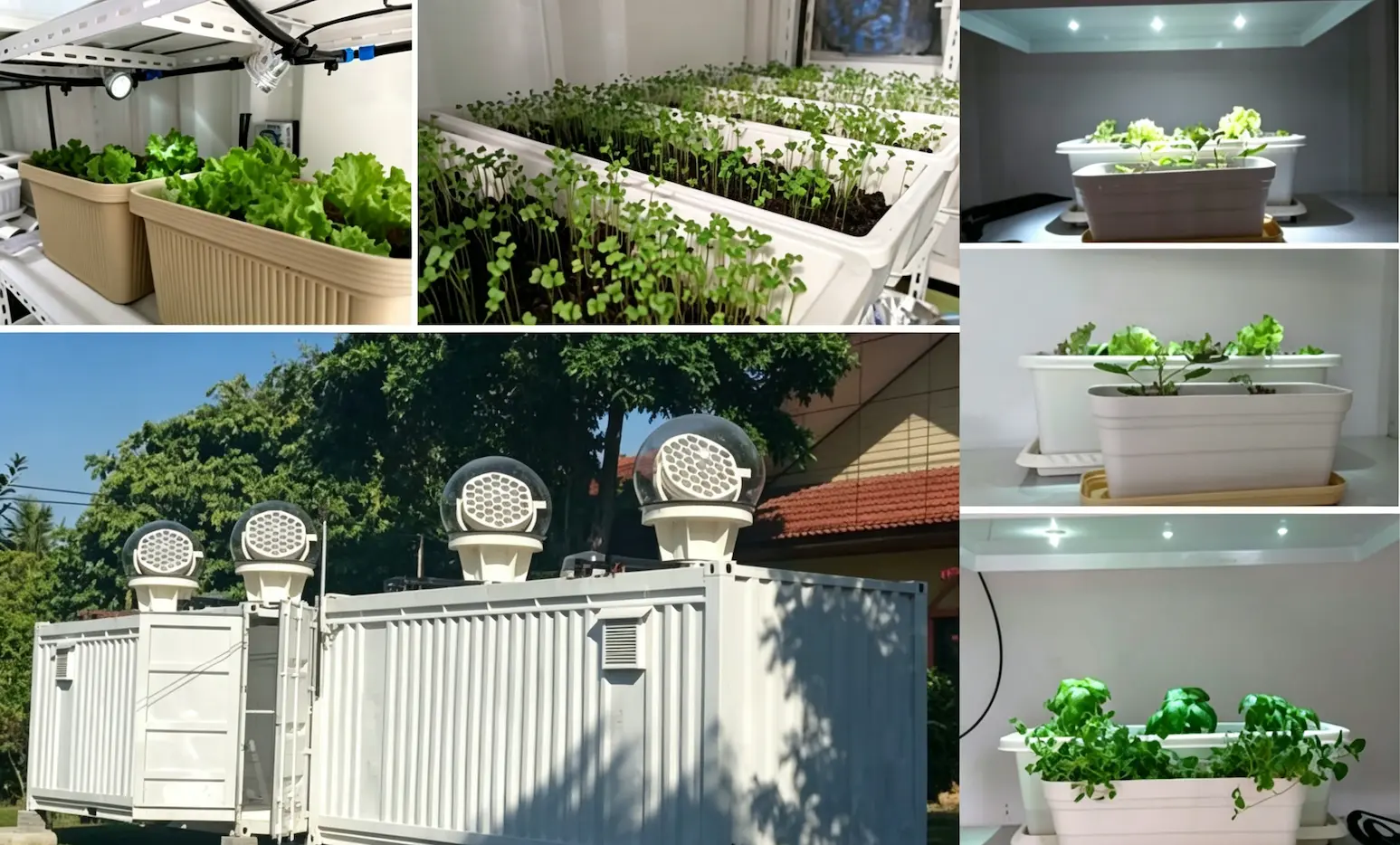
The chosen system utilized 18 fiber optic light guides (model DY18) installed on the building's rooftop, approximately 25 meters of fiber optic cable run from the roof-mounted collector to the basement ceiling. Three daylight diffusers were installed in the main recreational area, each fed by six fiber optic cables to ensure adequate illumination.
Key technical specifications included:
| Parameter | Specification |
|---|---|
| System Model | DY18 (18 fiber guides) |
| Fiber Type | High-purity quartz (1500μm core) |
| Transmission Distance | 25 meters |
| Fiber Attenuation | <10 dB/km |
| Illumination at 1m distance | ~800 lux |
| Number of Diffusers | 3 units |
| Built-in LED Backup | Yes (automated switch) |
Critically, the fiber optic system transmits only visible light while filtering out both ultraviolet and infrared radiation. This is particularly important in a humidity-controlled space, as the absence of infrared heat transfer prevents additional moisture loading in the air—a problem that affects traditional light pipes.
Integration with Humidity Control
The daylighting system was integrated with a dedicated dehumidification system designed to maintain relative humidity below 55%. The integration addressed several practical considerations:
- Condensation prevention: By maintaining indoor humidity below the dew point on basement walls, condensation on surfaces was eliminated
- Air quality improvement: The combination of natural light and controlled humidity created an environment inhospitable to mold and dust mites
- Equipment protection: Keeping relative humidity below 55% protects electronic components and recreational equipment stored in the space
The fiber optic diffusers themselves are designed with sealed housings that prevent moisture ingress, ensuring reliable operation in the humid basement environment. The automated LED backup system ensures continuous illumination even when external conditions (heavy clouds, nighttime) would otherwise leave the space in darkness.
Post-Installation Performance Results
Six months after installation, the facility management documented significant improvements across multiple metrics:
| Metric | Before | After |
|---|---|---|
| Illumination level | ~50 lux (artificial only) | ~800 lux (natural light) |
| Relative humidity | 70-80% | 45-55% |
| Mold presence | Visible on walls | Eliminated |
| Usable hours per day | Limited by artificial light | 24 hours (with LED backup) |
| Space utilization rate | ~15% | ~85% |
Perhaps most notably, the space transformed from an underutilized utility room into one of the most popular resident gathering spots in the complex. The combination of natural daylight—impossible to recreate with artificial lighting alone—and proper humidity control created an environment that residents naturally gravitate toward.
Technical Considerations for Similar Projects
For building managers and facility planners considering similar installations, several factors proved critical to success:
Roof accessibility: The daylighting collector requires unobstructed southern or southeastern exposure to maximize solar collection throughout the day. The installation necessitated access to a flat rooftop area of approximately 2 square meters.
Routing flexibility: Unlike rigid light pipes, fiber optic cables can navigate around obstacles and through walls, making them ideal for retrofits in existing buildings where vertical light wells cannot be constructed.
Maintenance access: The rooftop collector unit requires periodic cleaning (recommend quarterly) to maintain optimal light transmission. Planning for safe roof access during system design is essential.
Backup power consideration: The LED backup system requires a minor amount of standby power (12W) to enable automatic switching. This should be factored into the building's uninterruptible power supply or critical systems.
Conclusion
The transformation of this basement space demonstrates how fiber optic daylighting technology can address fundamental challenges in below-grade architecture. By combining genuine natural light transmission with effective humidity control, the system created an environment that supports both physical comfort and psychological wellbeing—something that artificial lighting alone simply cannot achieve.
For residential complexes, commercial buildings, or any facility with underutilized basement spaces, fiber optic daylighting offers a proven solution for bringing the health benefits of natural light into areas where traditional construction methods cannot reach.