Case Study: Performance Characteristics of a Fiber-Optic Daylighting System in a Windowless Fitness Facility
Field-deployed case study · Fiber-optic daylighting application
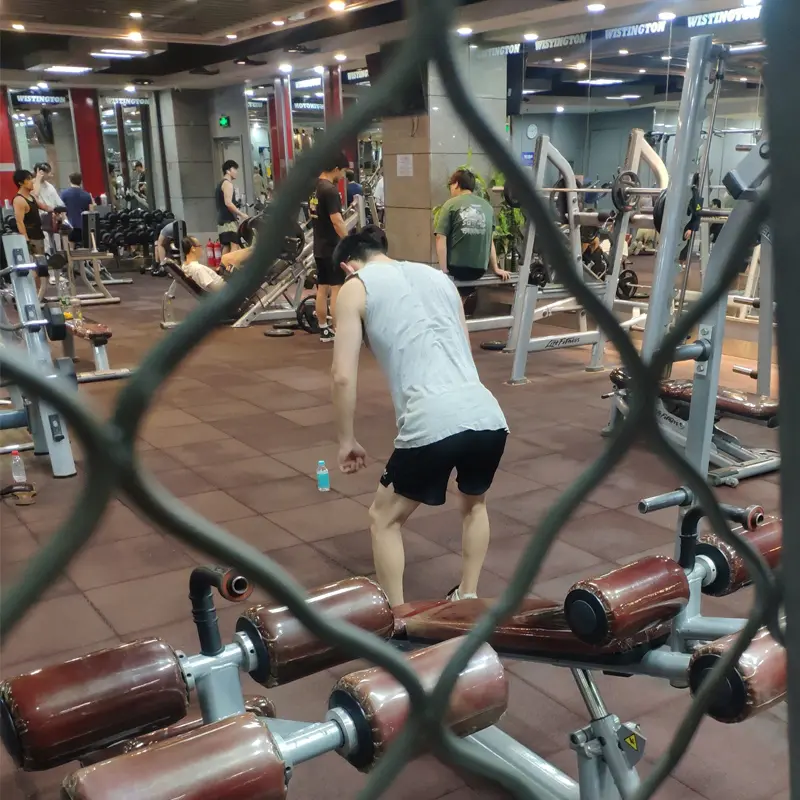
This case study documents the application of a fiber-optic daylighting system (Dayluxa configuration) in a windowless fitness facility, with a focus on system performance, environmental constraints, and operational limitations rather than promotional outcomes.
1. Project Context and Environmental Constraints
The project site is an indoor fitness facility located below grade in a dense urban environment. Due to the absence of perimeter windows and limited ceiling depth, the space relied primarily on artificial lighting prior to system installation. The facility supports high-intensity physical activities, including functional training and group fitness sessions, requiring consistent illuminance levels, accurate color rendering, and minimal thermal gain.
Traditional LED lighting provided sufficient baseline illuminance; however, prolonged use raised concerns related to visual fatigue, circadian disruption, and increased cooling demand during peak occupancy hours. This case examines whether a fiber-optic daylighting approach could deliver measurable performance benefits under these architectural and environmental constraints.
2. System Configuration and Installation Parameters
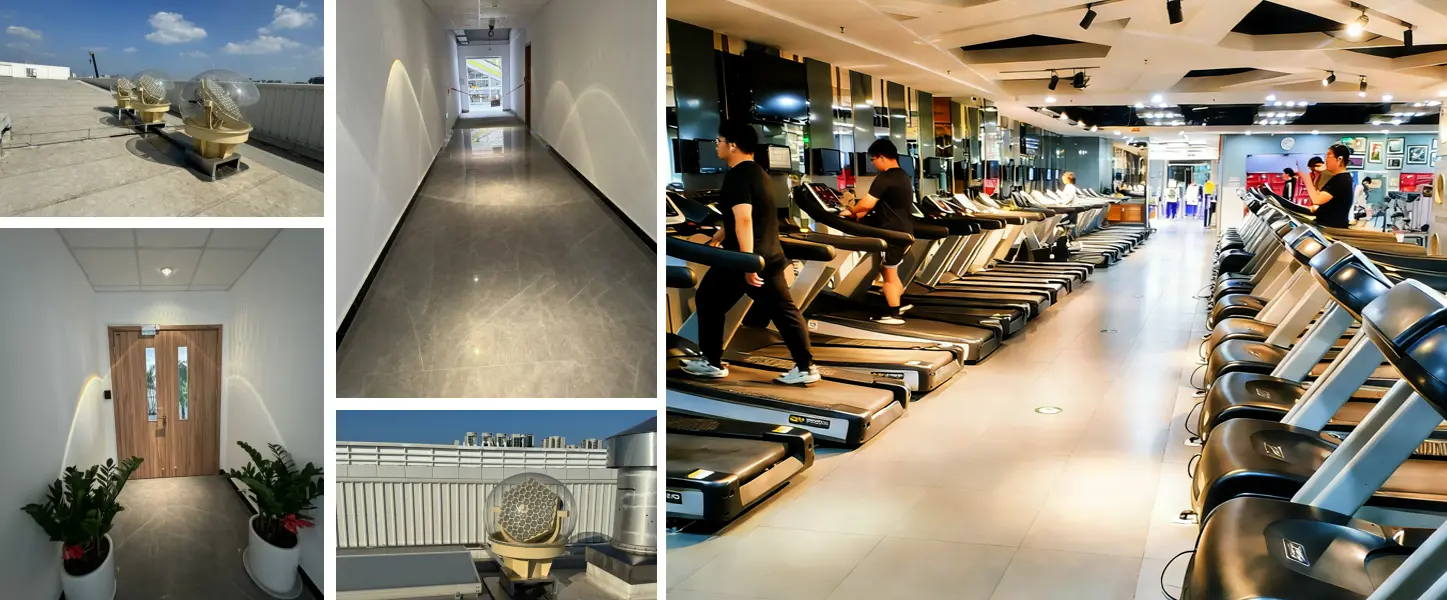
The daylighting solution evaluated in this case study utilized a Dayluxa fiber-optic daylighting system configured specifically for the site conditions. The system captured direct sunlight at rooftop level and transmitted it indoors using high-purity optical fibers.
- Total fiber transmission length ranged between 80–100 meters.
- Minimum bending radius was maintained above system-specified thresholds to limit transmission loss.
- Passive infrared filtering was implemented at the collection stage to reduce thermal load before light entered the fiber network.
- Light was distributed into activity zones via ceiling-mounted diffusers designed to minimize glare.
This configuration was selected to evaluate daylight spectral fidelity, transmission stability, and heat mitigation under real operational conditions rather than laboratory assumptions.
3. Observed Performance Metrics
During periods of clear sky and high solar elevation, measured interior illuminance levels within primary training zones ranged from approximately 700 to 1200 lux without supplemental electric lighting. These values aligned with recommended lighting levels for high-activity indoor environments.
The delivered light maintained a continuous solar spectrum, resulting in a high color rendering quality relative to standard LED fixtures. Because infrared components were largely filtered prior to transmission, the system contributed minimal additional thermal load to the interior space.
Comparative HVAC simulations indicated a reduction in localized cooling demand during peak daylight hours when the fiber-optic system displaced artificial lighting. This reduction was primarily attributed to the absence of heat generation at the point of illumination rather than total energy displacement.
4. User Experience and Operational Observations
Facility operators reported improved perceived visual comfort during daytime training sessions, particularly in zones previously dominated by overhead LED lighting. The dynamic variation of natural daylight intensity throughout the day introduced temporal light changes that differed from static artificial lighting conditions.
It should be noted that daylight availability fluctuated significantly under overcast conditions, requiring continued reliance on artificial lighting during low solar input periods. As a result, the system functioned as a complementary daylight source rather than a standalone lighting solution.
5. Limitations and Case-Specific Constraints
The results documented in this case study are specific to the site’s geographic location, building geometry, and system configuration. Performance metrics may vary substantially in facilities with different ceiling heights, solar access, or fiber routing complexity.
Additionally, the observed HVAC impact is based on comparative modeling under controlled assumptions and should not be generalized as a universal energy-saving outcome for all fitness environments or daylighting installations.
6. Conclusion
This case study illustrates the performance characteristics of a fiber-optic daylighting system applied within a high-intensity indoor fitness environment. Under favorable solar conditions, the Dayluxa configuration delivered measurable daylight illuminance, maintained spectral quality, and contributed to reduced localized heat gain at the point of use.
Rather than serving as a universal solution, this installation demonstrates how fiber-optic daylighting can function as a context-dependent supplement to artificial lighting. Future studies could expand on these findings by comparing physiological or performance-related outcomes across different activity types and architectural typologies.