Does Fiber Optic Daylighting Consume Electricity
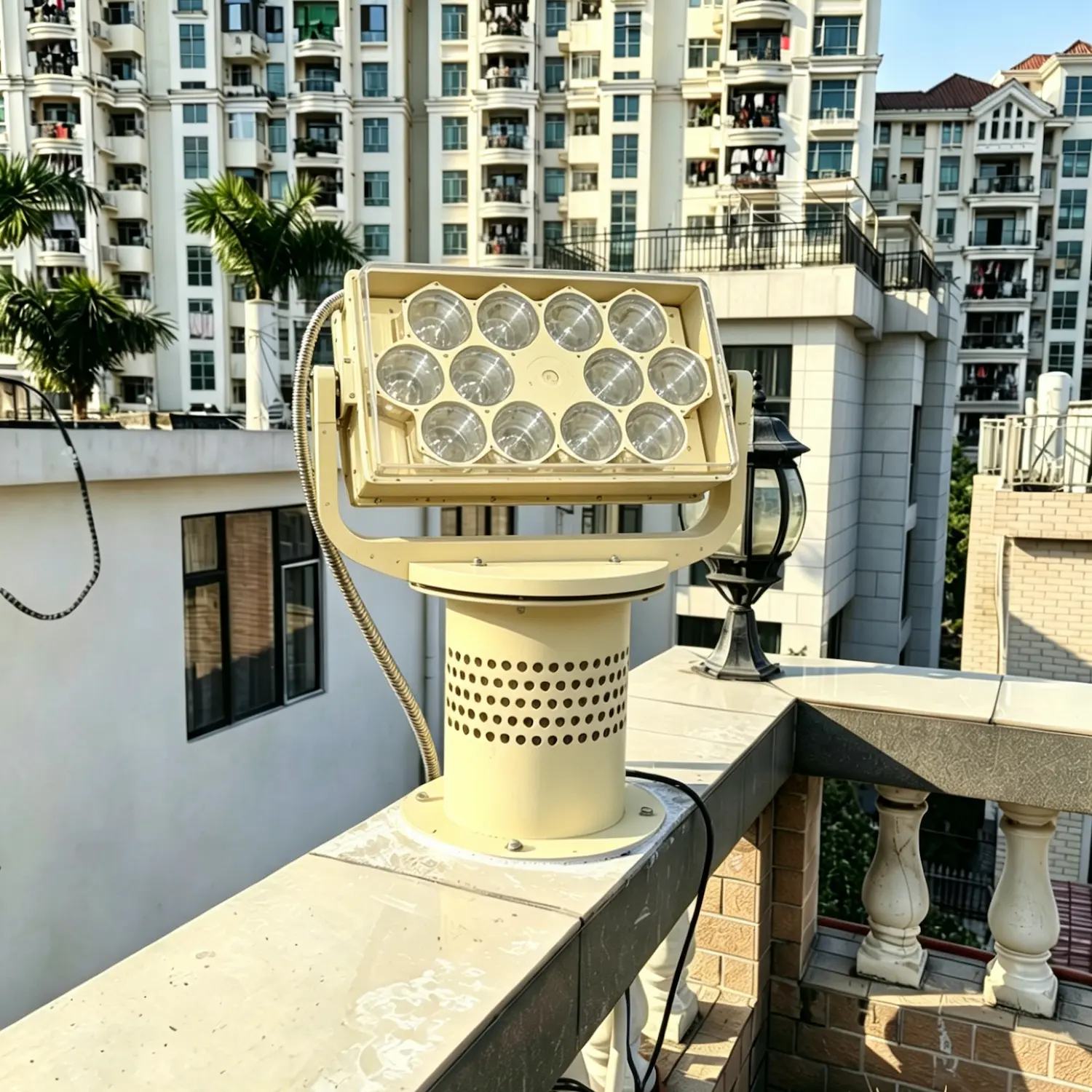
How Fiber Optic Daylighting Works
Fiber optic daylighting systems capture natural sunlight using Fresnel lenses mounted on rooftops, then transmit this light through high-purity quartz fibers to interior spaces. The system relies on GPS chips and astronomical algorithms to automatically track the sun's position through dual-axis motors, ensuring maximum light collection throughout the day. This technology enables sunlight to penetrate deep into buildings, reaching basements, underground garages, and windowless rooms.
Power Consumption: A Common Question
A frequent question about fiber optic daylighting is whether it consumes electricity. The answer requires understanding the system's two operational modes: daytime natural lighting and nighttime LED backup lighting.
Daytime Operation: Minimal Power for Tracking
During daylight hours, the fiber optic daylighting system provides illumination purely from captured sunlight. However, the sun-tracking mechanism does require a small amount of electricity. The Dayluxa system, for example, consumes approximately 12W (AC220V) to power its GPS tracking and control systems.
This 12W consumption is remarkably low compared to traditional lighting. A single LED bulb typically uses 9-15W, while fluorescent tubes consume 18-40W. The tracking system's power usage represents less than 1% of what would be needed to illuminate the same space with electric lights.
LED Backup: Ensuring Continuous Illumination
When sunlight is unavailable—during cloudy days, nighttime, or in heavily shaded areas—the system automatically switches to built-in LED backup lighting. Each diffusion fixture contains LED modules that activate when natural light levels drop below usable thresholds.
This hybrid approach ensures continuous illumination without manual intervention. The LED backup consumes more power than the tracking system, but it only operates when natural light is insufficient, significantly reducing overall electricity usage compared to traditional lighting systems that run continuously.
Energy Comparison: Fiber Optic vs Traditional Lighting
To understand the true energy efficiency, consider a typical office space requiring 500 lux illumination:
| Lighting Type | Power Consumption | Daily Operation (8hrs) | Monthly kWh |
|---|---|---|---|
| Fluorescent Tubes | 40W per fixture | 320Wh | 9.6 kWh |
| LED Panels | 30W per fixture | 240Wh | 7.2 kWh |
| Fiber Optic Daylighting (Day) | 12W (tracking only) | 96Wh | 2.9 kWh |
| Fiber Optic Daylighting (Night LED) | 30W per fixture | Variable | Variable |
The tracking system's 12W consumption is constant regardless of how many fixtures are illuminated, making fiber optic daylighting increasingly efficient as the number of illuminated spaces increases.
Real-World Applications and Energy Savings
In underground parking garages, where lighting typically runs 24 hours daily, fiber optic daylighting can reduce electricity consumption by 60-80% during daylight hours. The system's ability to deliver natural light without heat transmission also reduces cooling loads, providing additional energy savings.
For commercial buildings seeking LEED or WELL certification, fiber optic daylighting contributes points in the indoor environmental quality categories while demonstrating measurable energy reduction. The technology aligns with global carbon neutrality goals by reducing building operational carbon emissions.
The Future of Daylighting Technology
As building energy codes become more stringent and occupant expectations for natural light increase, fiber optic daylighting offers a practical solution that balances minimal electricity consumption with high-quality illumination. The integration of smart controls and improved LED efficiency continues to enhance the system's overall energy performance.