What Is a Fiber Optic Sunlight Import System? Understanding Third-Generation Natural Daylighting Technology
The Evolution of Natural Daylighting: Three Generations of Innovation
For centuries, architects have sought ways to bring natural sunlight into buildings.
The first generation of solutions—skylights and light wells—offered simplicity but limited functionality, working only for top floors and creating unwanted heat gain.
The second generation introduced light pipes and reflective tubes, which could transmit light short distances (3-6 meters) vertically but struggled with horizontal routing and multi-floor penetration. Both approaches shared a fundamental limitation: they transferred heat and ultraviolet radiation along with visible light.
The third generation of daylighting technology represents a paradigm shift. Fiber optic daylighting systems capture sunlight on rooftops, filter out harmful radiation, and transmit pure visible light through flexible optical fibers to any location within a building. This technology breaks the traditional constraints of natural lighting, enabling sunlight to reach underground spaces, interior rooms, and even multiple floors below the collection point.
Core Technology: How Fiber Optic Daylighting Works
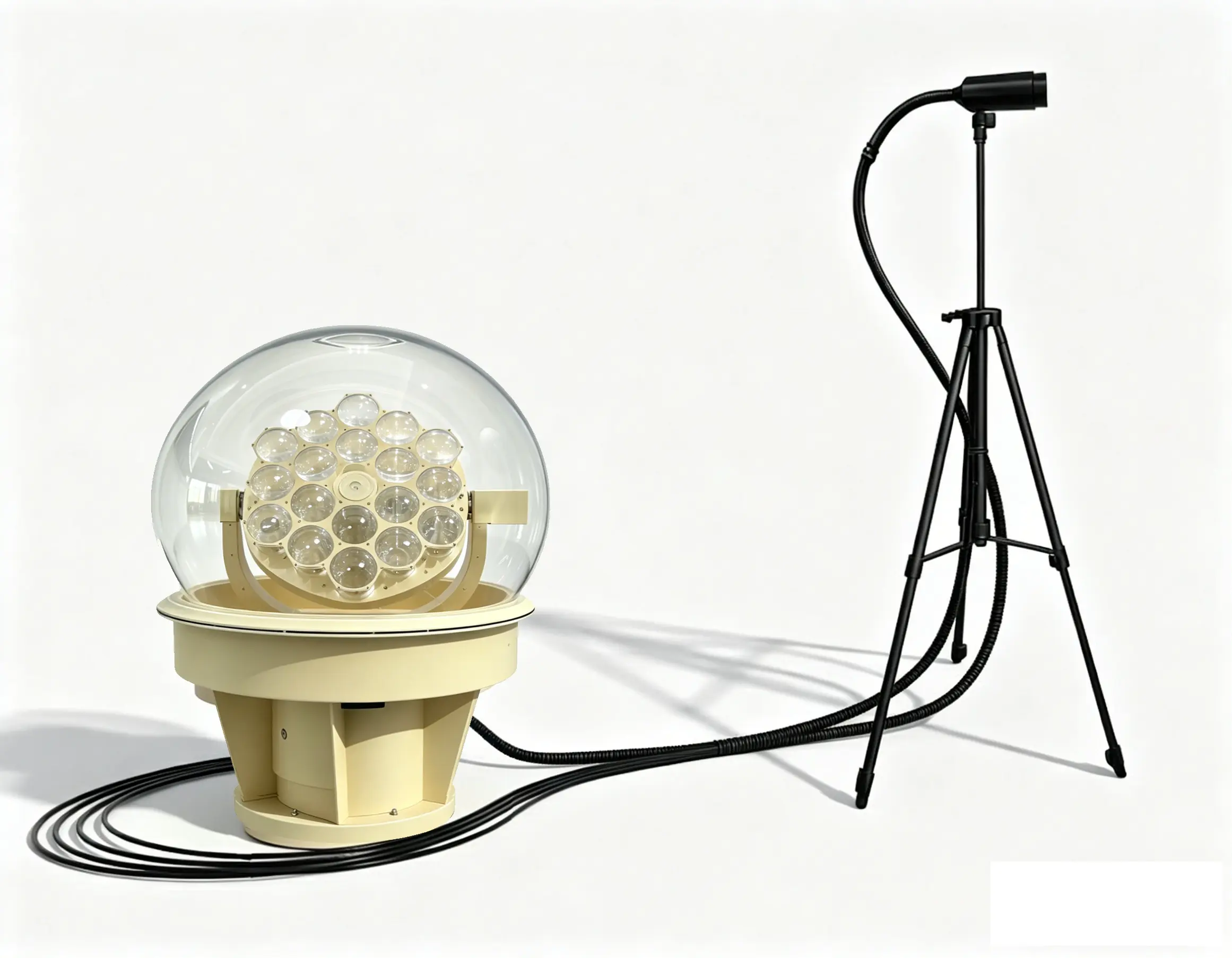
Fiber optic daylighting systems operate through a sophisticated integration of optical physics and precision engineering. The process begins with solar collection using Fresnel lenses—thin, lightweight optical elements that concentrate parallel sunlight onto small fiber input surfaces. These lens arrays achieve concentration ratios of approximately 500:1, focusing light collected over a large area onto fiber cores just 1.5mm in diameter.
The concentrated light then enters high-purity quartz optical fibers, where it undergoes total internal reflection. This physical phenomenon allows light to bounce along the fiber core without escaping, traveling tens or even hundreds of meters with minimal loss. The quartz material naturally filters out ultraviolet and infrared radiation, delivering only visible light with perfect color rendering (CRI=100) to interior spaces.
System Architecture: Three Integrated Modules
Modern fiber optic daylighting systems consist of three core modules working in concert:
Solar Collection Module
The rooftop unit features an array of Fresnel lenses mounted on a dual-axis tracking system. GPS receivers and astronomical algorithms continuously calculate the sun's position, driving motors that maintain perfect alignment throughout the day. This tracking capability increases daily light collection by 300-400% compared to fixed systems, ensuring maximum efficiency across all seasons and weather conditions.
Light Transmission Module
High-purity quartz fibers with core diameters of 1500μm transmit the collected sunlight. These fibers exhibit attenuation rates below 10 dB/km and can bend around obstacles with radii as small as 150mm, providing flexible routing through existing building structures. A single fiber bundle can transmit light 30-100 meters while maintaining usable illuminance levels.
Light Distribution Module
Specialized diffusing luminaires disperse the fiber-transmitted light evenly throughout interior spaces. Many models incorporate LED backup sources that automatically activate during cloudy conditions or at night, ensuring continuous illumination without interruption. This dual-mode operation provides the health benefits of natural light during daytime while guaranteeing reliable lighting 24/7.
Performance Data: Real-World Measurements
Extensive field testing validates the practical capabilities of fiber optic daylighting systems. Under standard outdoor conditions of 150,000 lux (clear noon), single quartz fibers deliver impressive indoor illuminance levels:
At 30 meters transmission distance with 1-meter projection, the system achieves approximately 1100 lux—exceeding typical office lighting requirements of 400-500 lux. Even at 50 meters, 800 lux at 1-meter distance satisfies demanding work and study environments. At 100 meters transmission, 200 lux provides adequate supplemental lighting for underground spaces and interior rooms.
These measurements demonstrate that fiber optic systems can deliver practical, usable light over distances impossible for traditional daylighting methods. The technology transforms previously inaccessible spaces into naturally illuminated environments.
Energy and Health Benefits
The energy implications of fiber optic daylighting are substantial. Commercial building lighting typically accounts for 25-30% of total energy consumption. Underground parking facilities often operate 24/7, consuming tens of thousands of kilowatt-hours annually. Fiber optic systems eliminate daytime electricity consumption for lighting, reducing both operating costs and carbon emissions.
Beyond energy savings, the health benefits are well-documented. Research from Cornell University indicates natural light increases productivity by 15-20%. Studies show natural lighting in educational environments reduces myopia incidence by 25-30%. Healthcare research found patients in sunlit rooms had hospital stays shortened by an average of 16%. The full-spectrum light delivered by quartz fibers maintains these benefits while eliminating UV exposure risks.
Comparative Advantages Over Alternative Technologies
When compared to other daylighting technologies, fiber optic systems offer distinct benefits:
Versus light pipes: Fiber optics provide 5-15 times greater transmission distance (30-100m vs 3-6m), superior installation flexibility (fibers can route horizontally and branch), and zero heat transfer. Unlike light pipes limited to top floors, fiber systems work on any building level.
Versus skylights: Fiber optic systems require minimal structural modification, eliminate weather infiltration risks, and provide consistent performance regardless of outdoor conditions. The integrated LED backup ensures reliable illumination even during extended cloudy periods.
Versus LED lighting: While LEDs are energy-efficient, they consume 100% electrical energy and cannot replicate the full spectrum of natural sunlight. Fiber optic daylighting provides zero-operating-cost illumination during daytime hours with perfect color rendering that no artificial source can match.
Applications and Future Directions
Fiber optic daylighting addresses specific challenges across diverse building types. Underground spaces such as parking garages and basements benefit from real sunlight without structural modifications. Healthcare facilities utilize full-spectrum natural light to support patient recovery and staff well-being. Educational institutions create healthier learning environments that reduce eye strain and improve concentration. Museums and galleries display artifacts under perfectly filtered light that eliminates UV damage risks.
As urbanization continues and buildings grow deeper, the demand for innovative daylighting solutions will intensify. Fiber optic technology represents more than an energy-saving system—it fundamentally reimagines how buildings interact with natural light, prioritizing human health and environmental sustainability alongside practical illumination needs.