Museum Artifact Lighting, Heritage Preservation
Field-deployed case study · Fiber-optic daylighting application
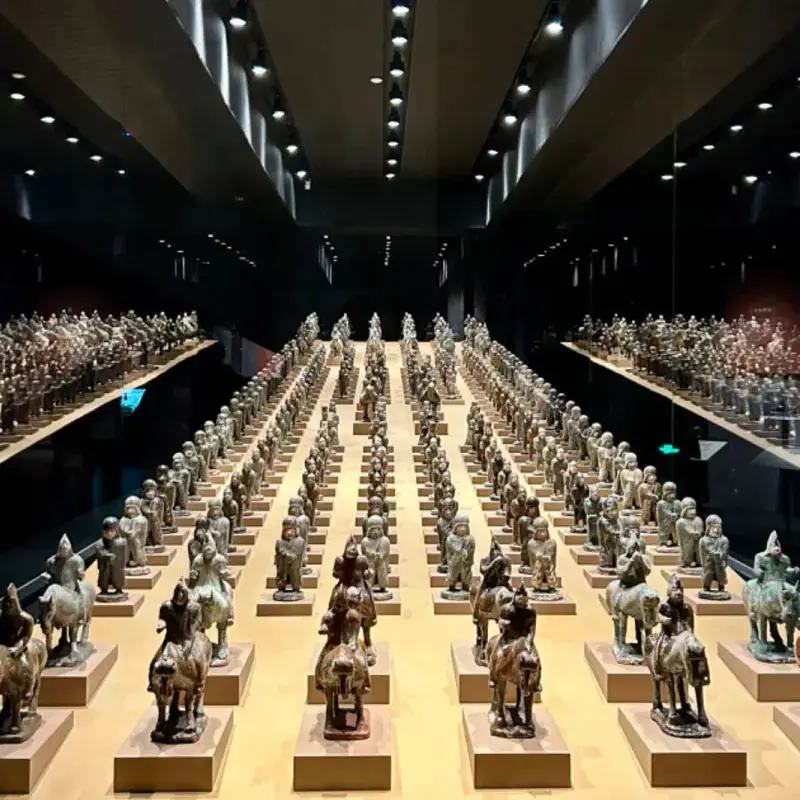
Lighting in museums and heritage spaces is not simply about visibility.
It plays a critical role in artifact preservation, visitor experience, and long-term conservation strategy.
Improper lighting can accelerate material degradation, alter original colors, and introduce unnecessary thermal and UV stress to sensitive objects.
A professional museum artifact lighting solution must balance visual clarity with strict conservation requirements.
Key Challenges in Museum and Heritage Lighting
1. Light-induced degradation of artifacts
Many historical artifacts are highly sensitive to light exposure, particularly:
- Paintings, textiles, manuscripts, and paper-based works
- Organic materials such as wood, leather, and pigments
Excessive illuminance, UV radiation, and infrared heat can cause irreversible fading and structural damage.
2. Color accuracy and authenticity
Accurate color rendering is essential for:
- Preserving the original appearance of artifacts
- Ensuring curatorial intent is respected
- Providing visitors with a truthful visual experience
Lighting systems with unstable or narrow spectral output can distort colors and misrepresent historical materials.
3. Thermal and environmental stability
Museums are carefully controlled environments.
Traditional lighting systems may introduce:
- Localized heat buildup
- Airflow disturbance
- Increased load on climate control systems
All of which can negatively impact artifact preservation.
Our Lighting Solution for Museums and Heritage Spaces
Conservation-oriented illumination
This museum artifact lighting solution is designed to deliver:
- Controlled illuminance suitable for conservation standards
- Minimal UV and infrared radiation
- Stable, full-spectrum light output
The system supports long-term display without compromising artifact integrity.
Accurate and natural color presentation
By utilizing balanced spectral distribution, the lighting enables:
- Faithful color reproduction
- Clear perception of material texture and surface detail
- Consistent visual appearance across exhibition spaces
This allows artifacts to be viewed as intended, without artificial enhancement.
Reduced thermal impact
By separating the light generation from the exhibition space, the system:
- Minimizes heat at the artifact surface
- Reduces thermal stress on sensitive materials
- Supports stable microclimate conditions within display cases and galleries
Typical Applications
- Art museums and galleries
- Historical museums and archives
- Cultural heritage exhibition halls
- Conservation labs and study rooms
Any space where preservation is as important as presentation benefits from conservation-grade lighting.
Value for Museums and Heritage Institutions
- Protects artifacts from light-induced damage
- Maintains historical accuracy and visual authenticity
- Enhances visitor experience without compromising conservation
- Aligns with long-term heritage preservation strategies
Conclusion
Effective museum artifact lighting is not about brighter illumination.
It is about responsible visibility.
When lighting is designed with heritage preservation in mind, it becomes a silent contributor to cultural continuity—supporting education, research, and public engagement without endangering irreplaceable artifacts.