Senior Care Lighting with Biodynamic Lighting Solutions
Field-deployed case study · Fiber-optic daylighting application
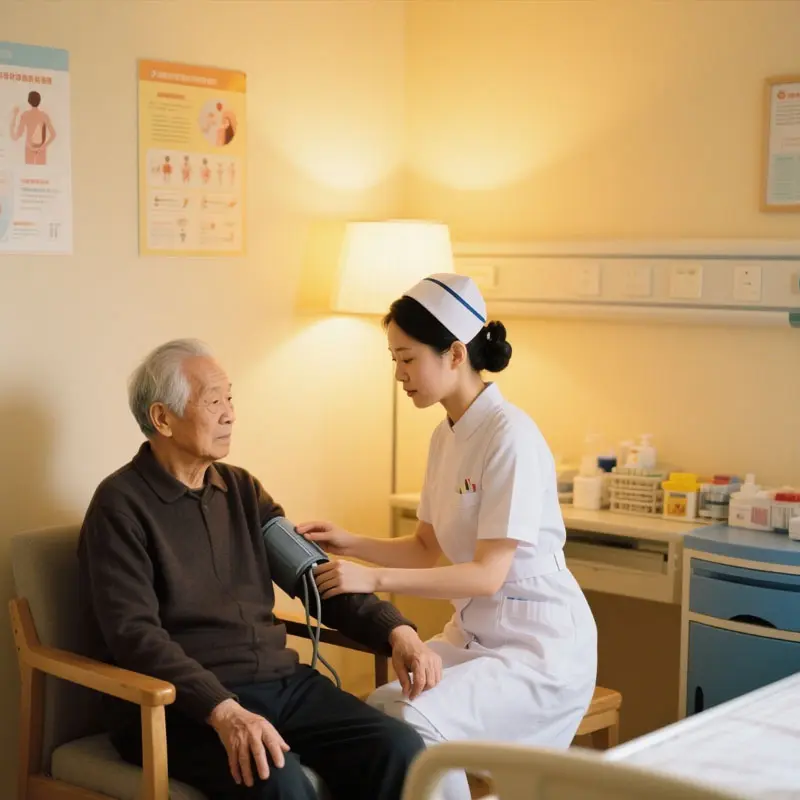
Lighting plays a critical role in senior care environments.
For elderly individuals, visual comfort, circadian rhythm stability, and environmental orientation are closely linked to overall well-being and quality of life.
A well-designed senior care lighting solution, combined with biodynamic lighting principles, supports daily routines by aligning indoor light conditions with natural daylight patterns.
Key Challenges in Senior Care Lighting
1. Disrupted circadian rhythms
Older adults are more sensitive to insufficient or poorly timed light exposure.
In care facilities, limited daylight access and static artificial lighting can contribute to:
- Sleep disturbances
- Daytime fatigue
- Reduced alertness and orientation
Biodynamic lighting addresses these challenges by varying light intensity and spectral composition throughout the day.
2. Visual comfort and safety
Age-related changes in vision require:
- Higher ambient illuminance without glare
- Even light distribution to reduce shadows
- Clear visibility for daily activities and mobility
Poor lighting can increase the risk of falls and disorientation in senior living spaces.
3. Emotional well-being and orientation
Lighting also influences how seniors perceive time and space.
Environments with monotonous or inadequate lighting may reduce:
- Sense of time progression
- Engagement with daily activities
- Overall comfort within care facilities
Our Senior Care & Biodynamic Lighting Solution
Daylight-aligned lighting strategy
This senior care lighting solution is designed to reflect the natural progression of daylight by:
- Providing higher, cooler light levels during daytime hours
- Transitioning to warmer, lower intensity light in the evening
- Supporting natural sleep–wake cycles without abrupt changes
Comfortable and glare-controlled illumination
The system emphasizes:
- Uniform light distribution across living and care areas
- Reduced glare for sensitive aging eyes
- Stable lighting levels that support daily activities and caregiving tasks
Supportive, non-intrusive design
Rather than introducing visually complex systems, the lighting integrates seamlessly into care environments, allowing:
- Intuitive orientation for residents
- A calming and familiar atmosphere
- Minimal disruption to existing care routines
Typical Applications
- Nursing homes and assisted living facilities
- Memory care units
- Senior apartments and residential care homes
- Healthcare and rehabilitation environments
Any space focused on long-term elderly care can benefit from biodynamic senior care lighting.
Value for Senior Care Facilities
- Supports healthier sleep patterns and daily routines
- Improves visual comfort and mobility safety
- Enhances overall living experience for residents
- Provides caregivers with functional and comfortable lighting conditions
Conclusion
Effective senior care lighting goes beyond illumination levels alone.
When combined with biodynamic lighting principles, it becomes a supportive environmental element that respects human circadian needs and the realities of elderly care.
Lighting, when designed with care, quietly contributes to comfort, safety, and dignity in later life.