What Is an Indoor Natural Sunlight System?
Field-deployed case study · Fiber-optic daylighting application
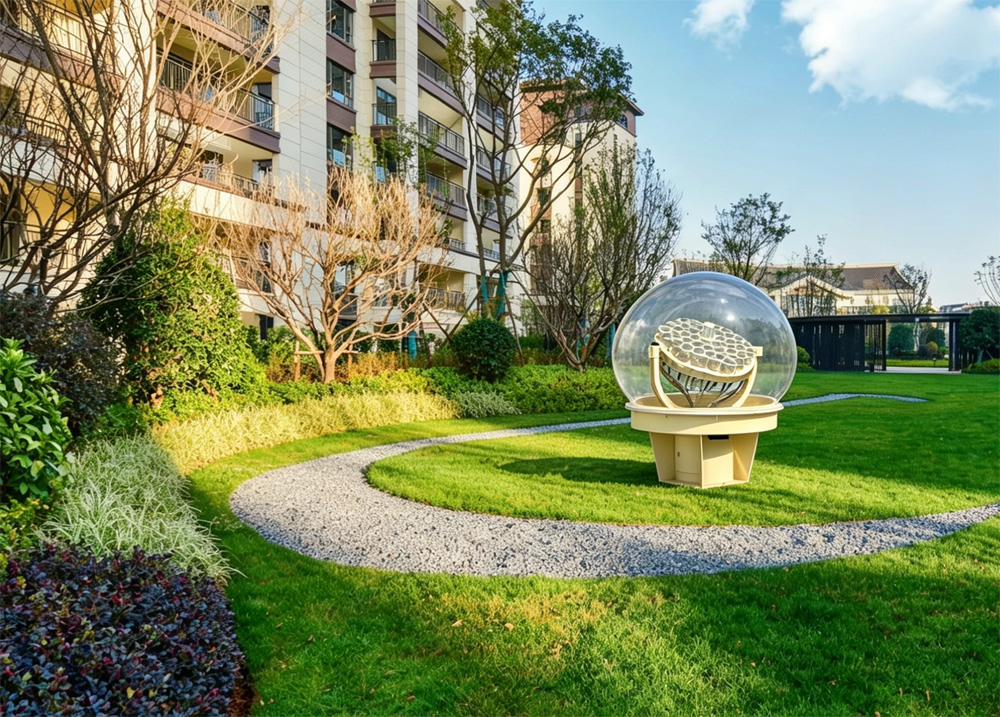
An indoor natural sunlight system is an engineered solution that captures real sunlight outdoors and delivers it into interior spaces where direct daylight access is limited or impossible, while preserving the spectral, visual, and biological qualities of natural light.
Unlike artificial lighting systems that attempt to simulate sunlight electronically, indoor natural sunlight systems rely on the physical transmission of real solar radiation. This distinction is critical in applications where light quality, spectral integrity, and human or biological response matter.
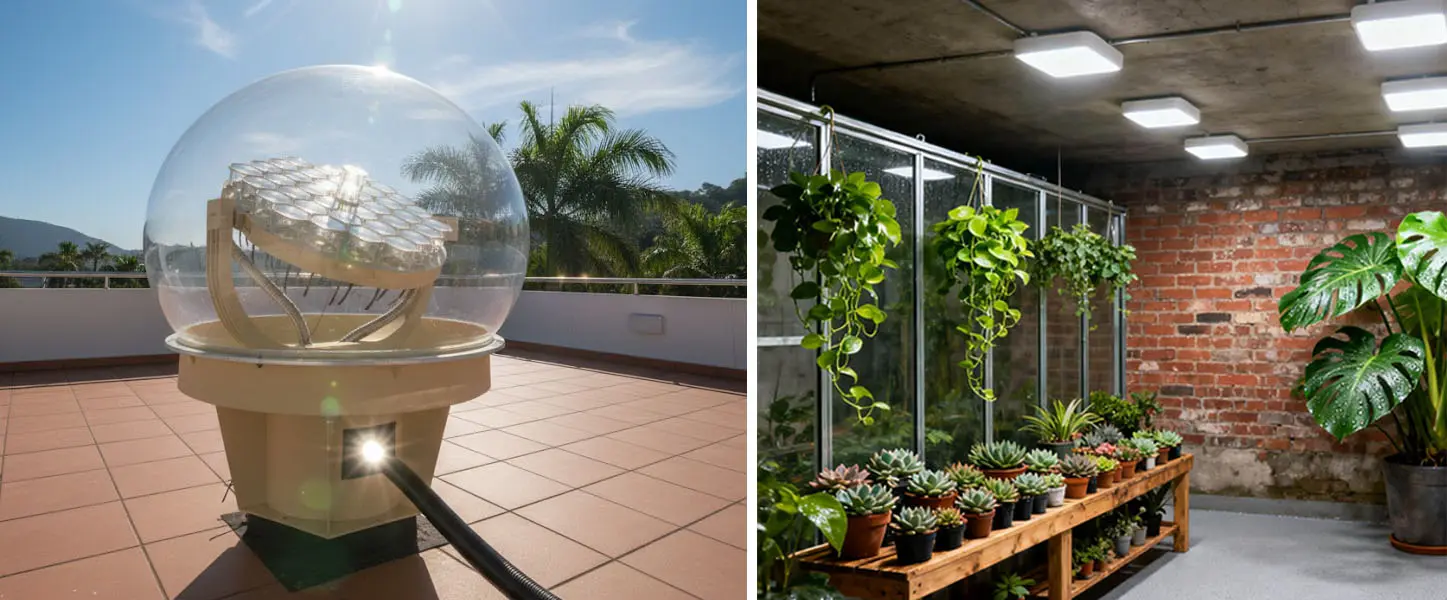
Why Access to Real Sunlight Matters Indoors
Sunlight is more than a visual illumination source. It provides a continuously varying, full-spectrum signal that influences human circadian rhythms, hormonal regulation, visual perception, and overall well-being.
In modern architecture, deep floor plates, underground spaces, and enclosed interiors often eliminate access to natural light. As a result, many environments rely entirely on artificial illumination, which can lead to long-term physiological and psychological effects.
- Disruption of circadian rhythm and sleep cycles
- Reduced alertness, mood, and cognitive performance
- Increased energy consumption from continuous artificial lighting
- Visual fatigue caused by static spectral output
Main Technical Approaches to Indoor Natural Sunlight
Several technological paths exist for introducing sunlight into buildings. Each approach differs in optical efficiency, architectural impact, and suitability for specific use cases.
Architectural Daylighting
Windows, skylights, and atriums introduce daylight through direct openings in the building envelope. While effective near façades and roofs, these solutions are limited by distance, orientation, heat gain, glare, and weather exposure.
Reflective and Light Tube Systems
Light tubes and reflective shafts guide sunlight using highly reflective surfaces. However, optical losses accumulate rapidly over distance and bends, making them unsuitable for deep interior or multi-level applications.
Fiber-Optic Sunlight Transmission Systems
Fiber-optic systems capture sunlight outdoors and transmit it through optical fibers, fully separating light collection from light delivery. This architecture enables natural sunlight to be distributed precisely, independent of building geometry.
What Defines a True Indoor Natural Sunlight System
Many solutions are marketed as “natural lighting,” but only systems that meet specific criteria can be considered true indoor natural sunlight systems.
- Uses real sunlight as the primary illumination source
- Preserves full-spectrum characteristics without artificial reconstruction
- Prevents heat and UV radiation from entering indoor spaces
- Allows controlled and predictable light distribution
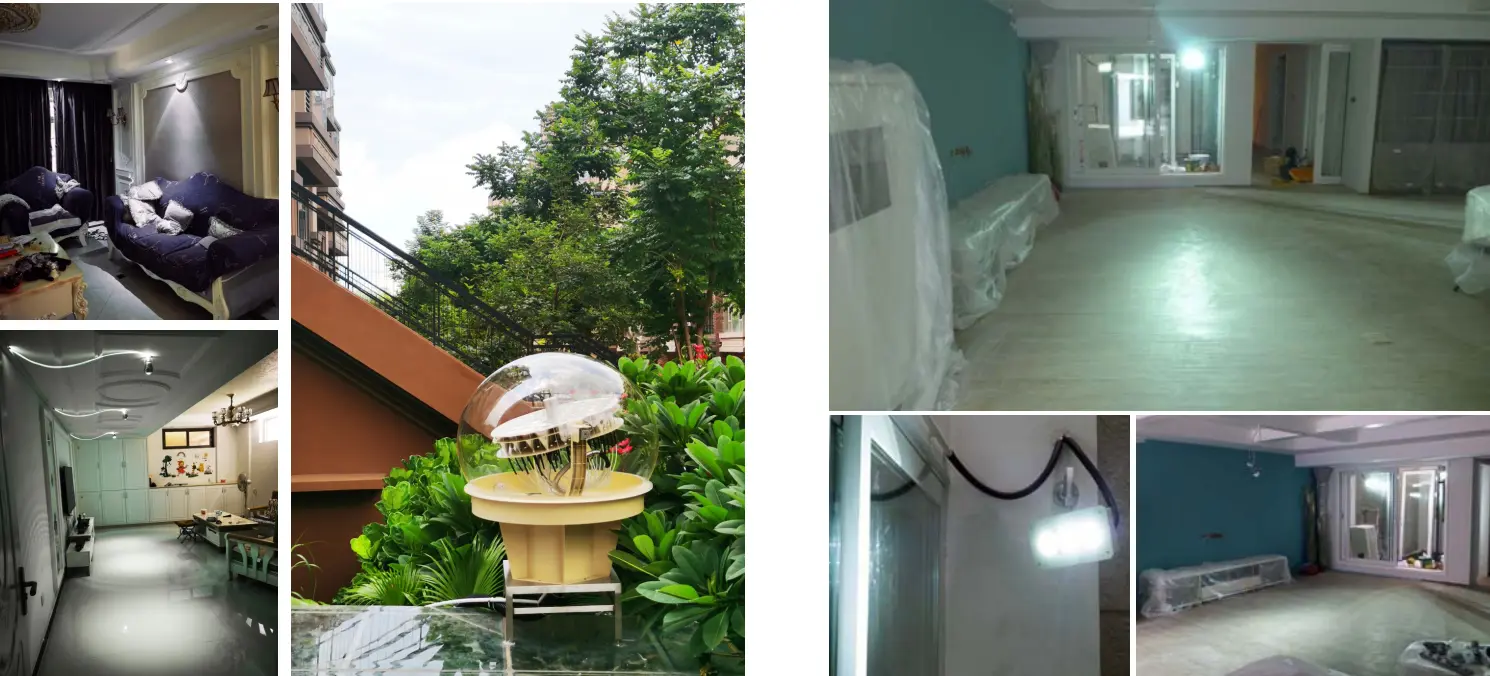
Application Scenarios for Indoor Natural Sunlight Systems
Fitness and Sports Facilities
In gyms and training centers, natural sunlight improves alertness, motivation, and perceived space quality. Fiber-optic systems allow daylight delivery without glare or thermal discomfort.
Healthcare and Wellness Environments
Hospitals, clinics, and rehabilitation centers benefit from circadian-aligned lighting, supporting patient recovery and staff performance in spaces without windows.
Museums and Cultural Institutions
Museums require strict control over heat and UV exposure to protect sensitive artifacts. Fiber-optic sunlight systems provide real daylight while isolating damaging radiation, enabling natural viewing conditions without conservation risks.
Aquariums and Botanical Exhibits
Aquatic life and plant species respond differently to artificial lighting compared to real sunlight. Delivering natural solar spectrum enhances biological authenticity while maintaining environmental control.
Underground, Industrial, and Windowless Spaces
Factories, transit hubs, basements, and underground facilities often lack access to daylight entirely. Indoor sunlight systems improve spatial orientation and reduce dependence on artificial lighting.

Dayluxa’s Engineering Approach
Dayluxa employs a fiber-optic daylighting architecture combining Fresnel-based sunlight collection, GPS-assisted solar tracking, and low-OH high-purity quartz fiber to deliver stable, full-spectrum sunlight indoors.
By continuously aligning the collector with the sun, the system maintains consistent optical input throughout the day, enabling predictable and controllable indoor sunlight performance across seasons.